Modular synth magic
Jonathan MacKenzie has put together a modular synth cover of Angine de Poitrine's Sarniezz. As a synth luddite, this is basically just magic.
Jonathan MacKenzie has put together a modular synth cover of Angine de Poitrine's Sarniezz. As a synth luddite, this is basically just magic.
The Nerve is new to me. Seems like it might only have arrived this year. It's a UK-based news outlet, formed by 5 women from across the Guardian and Observer newspapers.
We are the team behind the 2018 Cambridge Analytica investigation that shifted the world’s understanding of Silicon Valley.
I first heard Stewart Lee talking about his role as a contributor on Nish Kumar and Coco Khan's podcast, Pod Save the UK. The Nerve team as a whole looks pretty strong.
Pretty strong design aesthetic they've gone for. Maybe they're trying to carve a more zine-like niche, away from the other independent news outlets, like Byline Times?

2 years ago, YouTuber Tom Scott hung up his video-making boots after a decade of making weekly content for the platform. His videos were always educational and presented with such enthusiasm that it was hard not to engage with him talking about stuff he'd learned, or the experiences he was having.
He's back now with a new series. Travelling less but still telling the same kind of stories in his very own nerdy manner, this time focused on highlighting something from each of the counties of England. First up is the story of John Taylor & Co. Bell Founders, the last remaining bell foundry in the UK, found in Leicestershire.
Taylor's have their own YouTube channel, focusing on their work and providing a wealth of information on the history of the company. They've even got a short "behind the scenes" video of Tom's visit.
Check out more of Tom's work at tomscott.com.
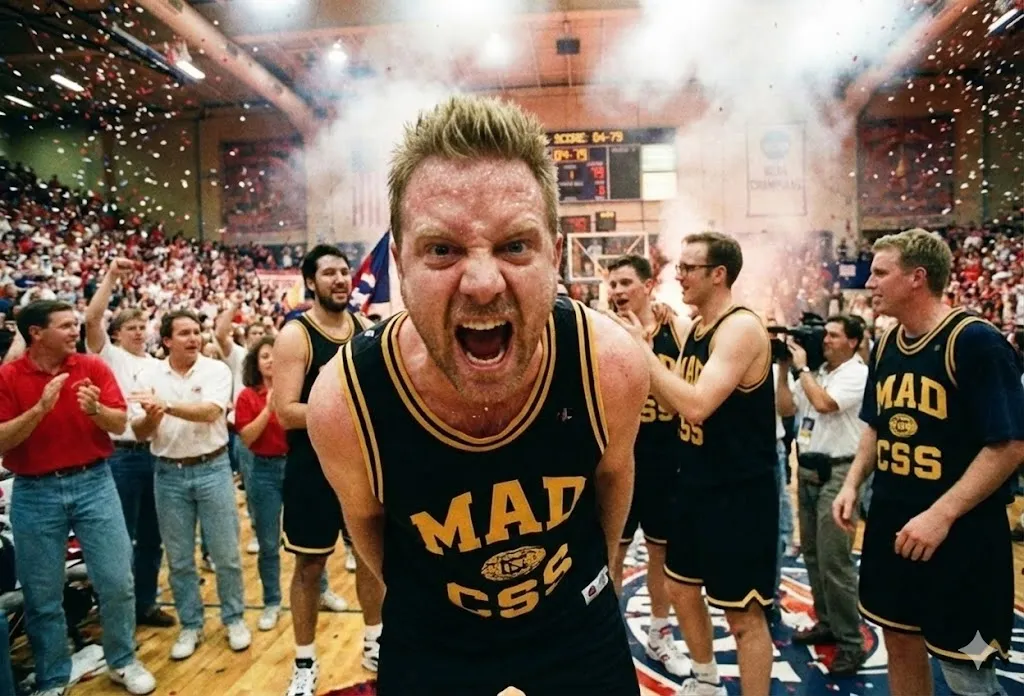
It's been a while since I've listened to their podcast but Wes Bos and Scott Tolinski's Syntax FM have recently been in my YouTube algorithm with their riff on March Madness, Mad CSS.
16 of the best CSS players in the world.
Each round, two developers face-off in a 15-minute CSS battle, with the winner progressing to the next round. No spoilers, but the final takes place next weekend, so go watch the early rounds at the Syntax YouTube channel if you're interested.
I think I could get close to 100% on each of the challenges, but I'd be clocking in at significantly over the 15-minute deadline. So credit it where its due to those participating. I'm not sure my stress-levels could cope with the pressure of timed, live coding.
Here are Wes and Scott talking last month about the creation of the platform their using to host the competition:

Kottke.org recently posted a link to an archive of the NME magazine, found on the Internet Archive site.
Scotland's very own The List magazine has a similar archive, linked to from their own website, at list.co.uk/magazine-archive.
Both magazines were a staple as a teenager, although it was only as a slightly older, pub-visiting teen that I started to read The List as frequently.
Since around the time of the COVID-19 pandemic, and as a result of resulting financial issues, The List is now an online only magazine. And it only currently exists as a result of a successful crowd funder, relaunching in 2022.

I spent some time figuring out what I'd like ronnie.fyi to look like and, ultimately, went back to a Figma layout I'd come up with about a year ago. It's simple, but I like it. Until I don't.
I'll keep this post pinned to the top of the homepage for a while and make a note of anything new I add.
For example, I've just added an RSS feed. Go add it to Google Reader an RSS reader of your choice.
I've added some Bluesky integration to the homepage. In theory, it should regenerate every few days and land in the middle of the regular posts.
For my own benefit, I'll try and keep a note of what I'm up to in a changelog.
I wouldn't call it an unqualified success, but the new SNL UK was much better than I thought it would be. I really enjoyed the weirdness of George Fouracres' show closer.
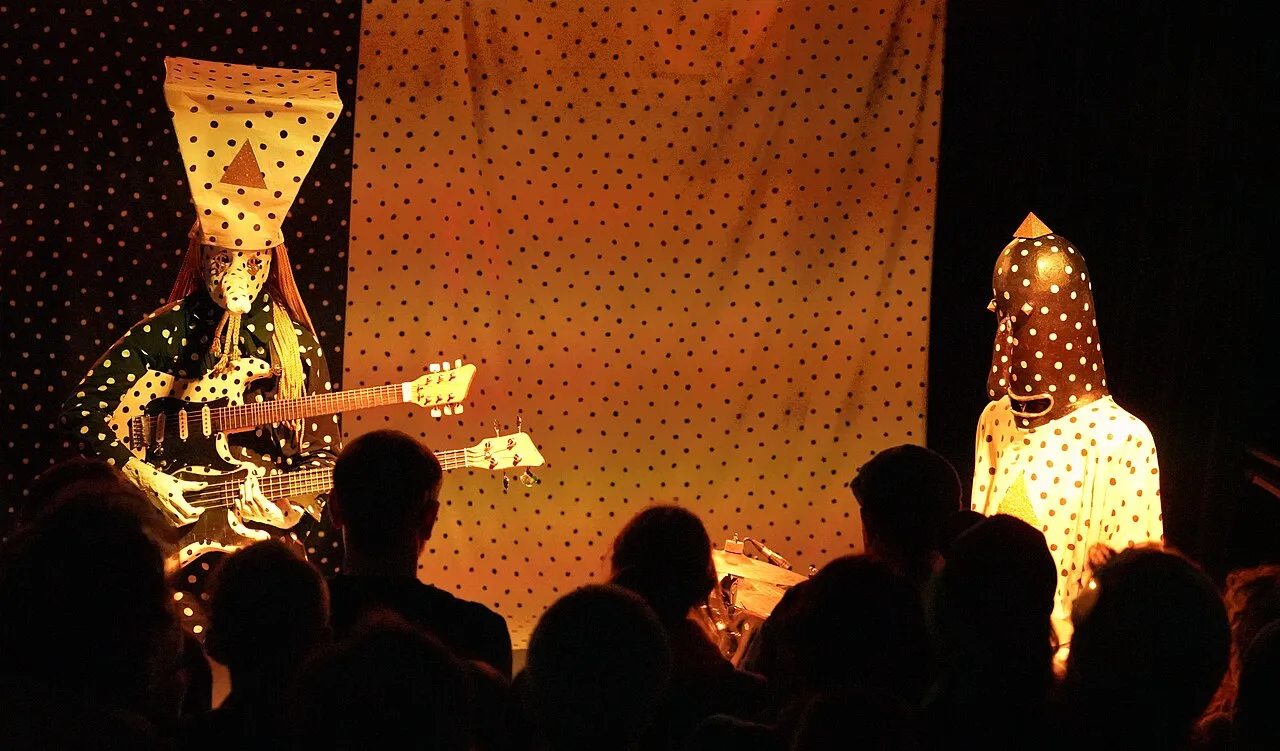
Their whole KEXP set.
Their whole KEXP set.
Jesse David Fox for Vulture sat down earlier this year for an 90-minute conversation with Nate Bargatze, and writers Mikey Day and Streeter Seidell. They talked about one of the most popular Saturday Night Live sketches in recent years, "Washington's Dream".
I'm a big Bargatze fan, so I'll watch pretty much anything he appears in but this is a super-detailed insight into how it was brought together over the course of an SNL week by Day, Seidell and the rest of the crew.
I should say, if you've not seen the sketch, you should probably watch it first. Then watch Washington's Dream 2.
Some media I've consumed recently:
After a little bit of scrambling about this morning, I managed to get 2x tickets for Cardiacs at Saint Luke's, Glasgow. I've never been to the venue, so I'm looking forward to seeing the band, and in new surroundings.
Also got tickets for me and the family to see The Last Dinner Party at Edinburgh Corn Exchange, next month. That'll be my daughter's first real gig, so we're all looking forward to that.
Anyway, back to Cardiacs. This is the first video of theirs I saw and it had me hooked from the start: Cardiacs – Tarred and Feathered.
I'd initially thought this was written by Andy Bell, head honcho at Piccalilli (where the article is hosted), but it was written by Liam Egan, whose work I wasn't familiar with. His piece on Transitioning From Being a Developer to a Manager would've been incredibly helpful if I'd been able to read it 20 years ago.
Many modern tech organisations now offer a dual-track career path for developers. One path is for management, and the other is the Individual Contributor (IC) path. Think of it as a fundamental shift in your job's purpose. As a developer, your primary goal is to solve complex problems. As a manager, your primary goal is to build and support a team that solves complex problems.
This is the case in my workplace, where you're able to follow a developer path (Associate thru Senior, Lead, Senior Lead to Architect, and beyond) vs a managerial path (Associate, Senior, Manager, Senior Manager, Director etc.) but it wasn't the case when I was younger.
I just fell into being a people manager. I had no idea how best to do it and made many (so many) mistakes along the way. It was only well into my managerial career that I eventually managed to shift some of the imposter syndrome. It took a while before I felt that I was able to help manage peoples' workloads and, more importantly help manage their careers and lead them in their own chosen direction.
Incidentally, Liam is Director of Technology for We the Collective, and they have a lovely site.